Getting the Heat Right for Quantum Chips
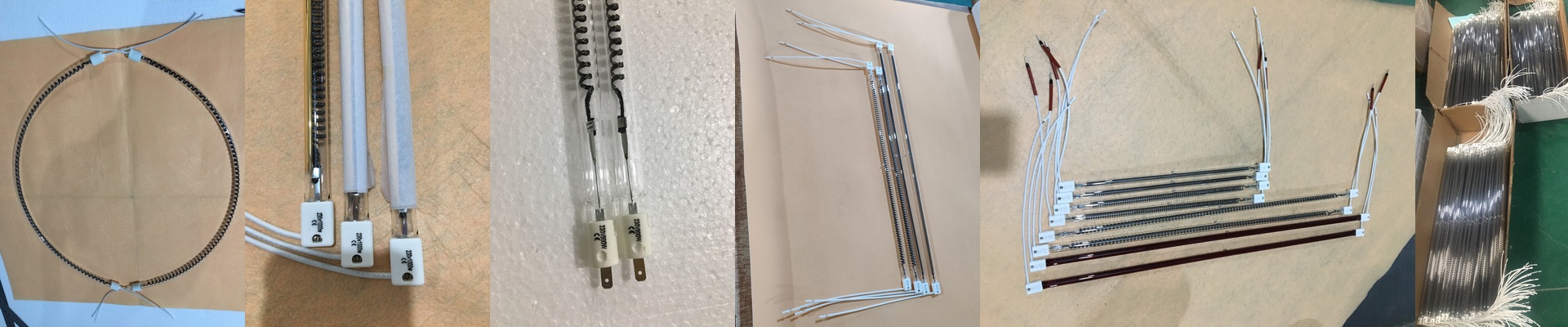
Making quantum chips is a bit of a balancing act. You need heat, but you need it to be surgical. That’s where short-wave infrared (IR) lamps come in. They bridge that awkward gap between basic electronics assembly and the insane precision quantum hardware demands. Whether you’re curing a stubborn adhesive or fixing a component in a smart home device, these lamps let you hit exactly what you need to heat. No “collateral damage” to the rest of the board.
The Nitty-Gritty on Power and Heat
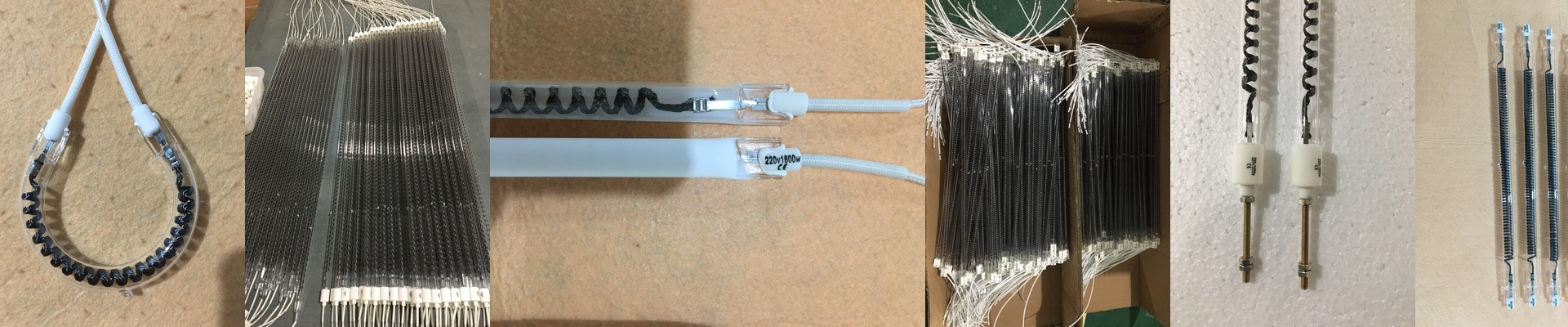
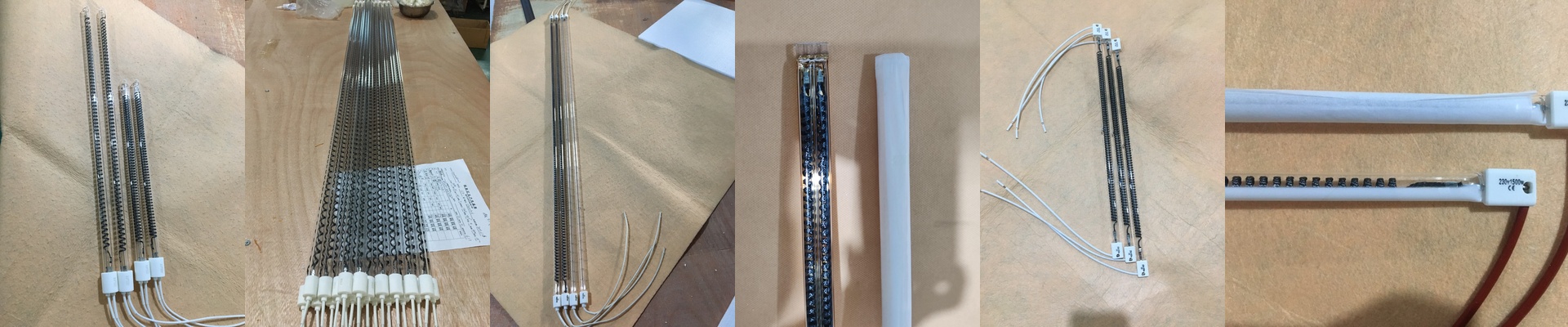
When you’re setting up a system for this kind of work, heat density is everything. We use high-wattage quartz tubes because they hit peak temps in seconds. It’s nearly instant. One pro tip: go with a higher voltage setup. It keeps the current draw down, which means your power cables won’t turn into heaters themselves during a long run. But be careful. If you jam a 2000W tube into a tiny space, your cooling fans need to be absolute beasts. If they can’t keep up with the ambient heat, you’re going to warp your chip housing. And that’s a bad day for everyone.
Why Quartz and Halogen?
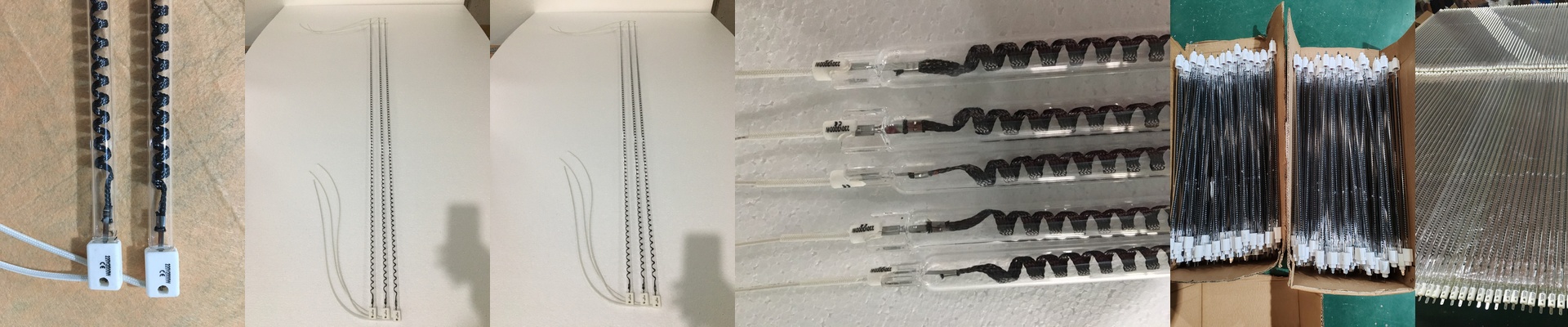
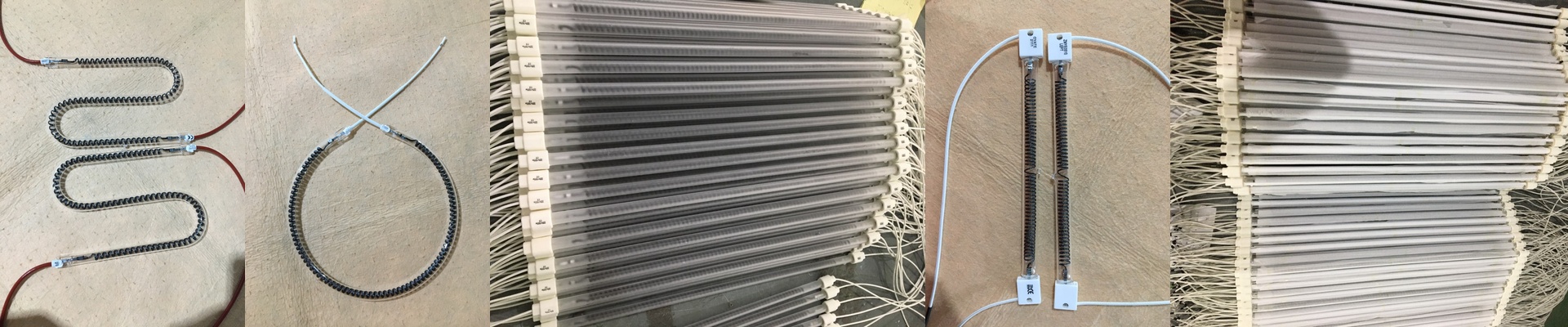
We stick with halogen-filled quartz glass. It stops the filament from burning out and lets the IR radiation slide right through without getting trapped. Sometimes, we use coated tubes to tweak the wavelength. This is a lifesaver for repairs. It ensures the heat hits the solder joint or the sensor, but doesn’t melt the plastic casing of the device. As for the wiring, we usually go with R7s or Sk15 connectors. Why? Because they’re simple. They drop right into most industrial controllers and are a breeze to wire up on the shop floor.
Real-World Repair Work
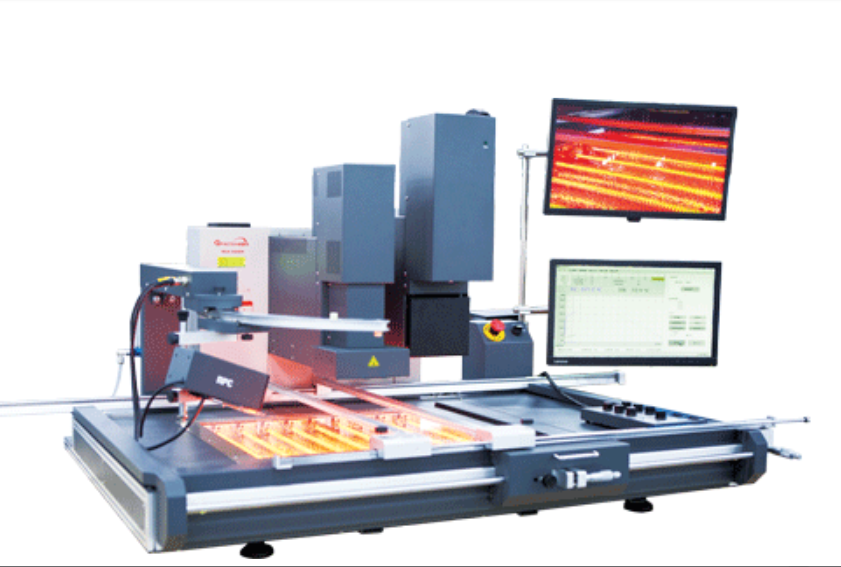
In the lab, we use these lamps for rapid thermal processing. The response time is incredible—way faster than any convection oven. It’s a huge advantage when you need to trigger a chemical reaction or bond a layer without soaking the entire board in heat. This keeps the qubits (the sensitive heart of the chip) from getting stressed out. Just one thing:**keep the glass clean.**Seriously. A single fingerprint on that quartz can create a hot spot, and that’s how you end up with a cracked tube.