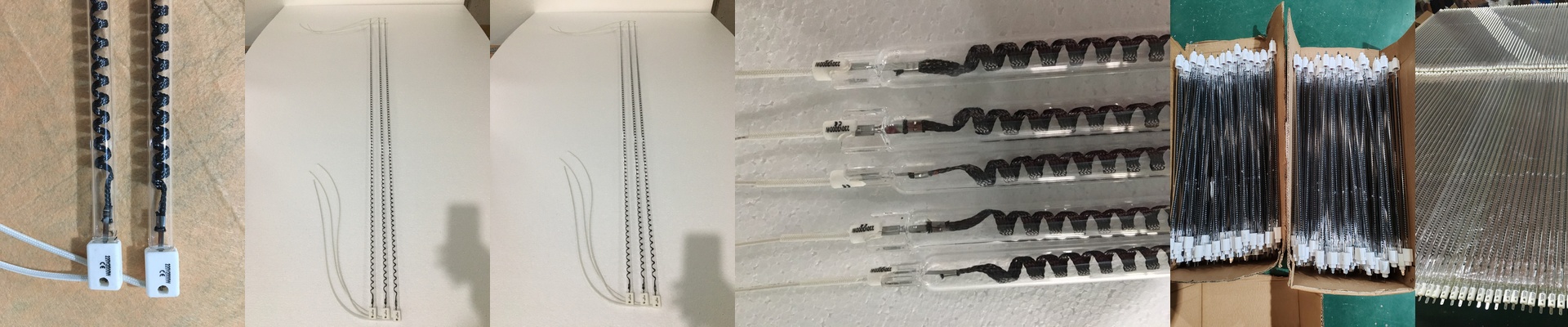
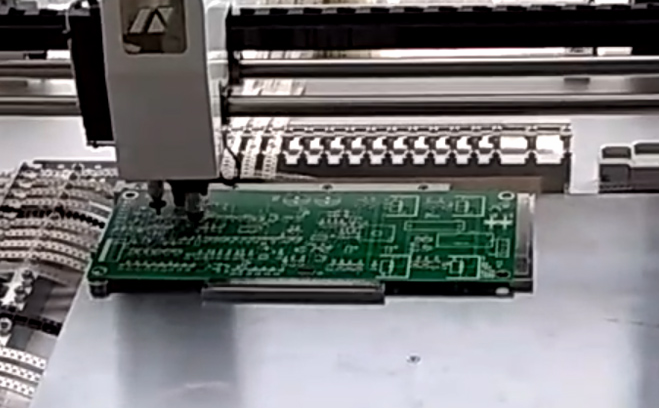
Getting Your IR Wavelengths Right for Electronic Glue
If you’ve ever tried to cure electronic glue by just cranking up the heat, you know it doesn’t always work. You can blast a PCB with heat all day, but if the infrared (IR) wavelength isn’t a match for the glue, that energy just bounces right off. It’s a waste of power. Worse, you end up baking the components around the glue, which is a recipe for a dead board.
The secret is in the absorption
Think of it like a lock and key. Every glue has its own “absorption spectrum.” Some love short-wave IR, which digs deep into the material. Others prefer long-wave, which mostly hits the surface. When you get the heater’s peak emission to line up with the glue’s sweet spot, the molecules start vibrating. Fast. That’s what triggers the cross-linking that actually hardens the glue. When the waveband is dialed in, you’ll notice the curing time drops off a cliff. It’s night and day.
Don’t just flip a switch
You can’t just turn these heaters on and hope for the best. If you heat things up too quickly, you get “skinning.” That’s when the top layer hardens into a shell, trapping solvents underneath. You end up with bubbles or tiny voids inside the glue, and that’s a nightmare for reliability. That’s why we use digital controllers with PID loops. Instead of a crude on/off cycle, it manages the ramp-up gently. It keeps the temperature exactly where it needs to be, so the core of the glue cures fully without scorching the surface.
The trade-offs you’ll face
Here’s the catch: the more you optimize for one specific epoxy, the less flexible you are. A lamp that works perfectly for one brand might be totally useless for a different UV-curable glue. You’ve got to check the material datasheet every single time. And one more thing—high-intensity IR arrays gethot. Really hot. If you don’t have a solid heat sink or some forced-air cooling in your chassis, your controller is going to trip on an over-temp fault and shut everything down right in the middle of a run.